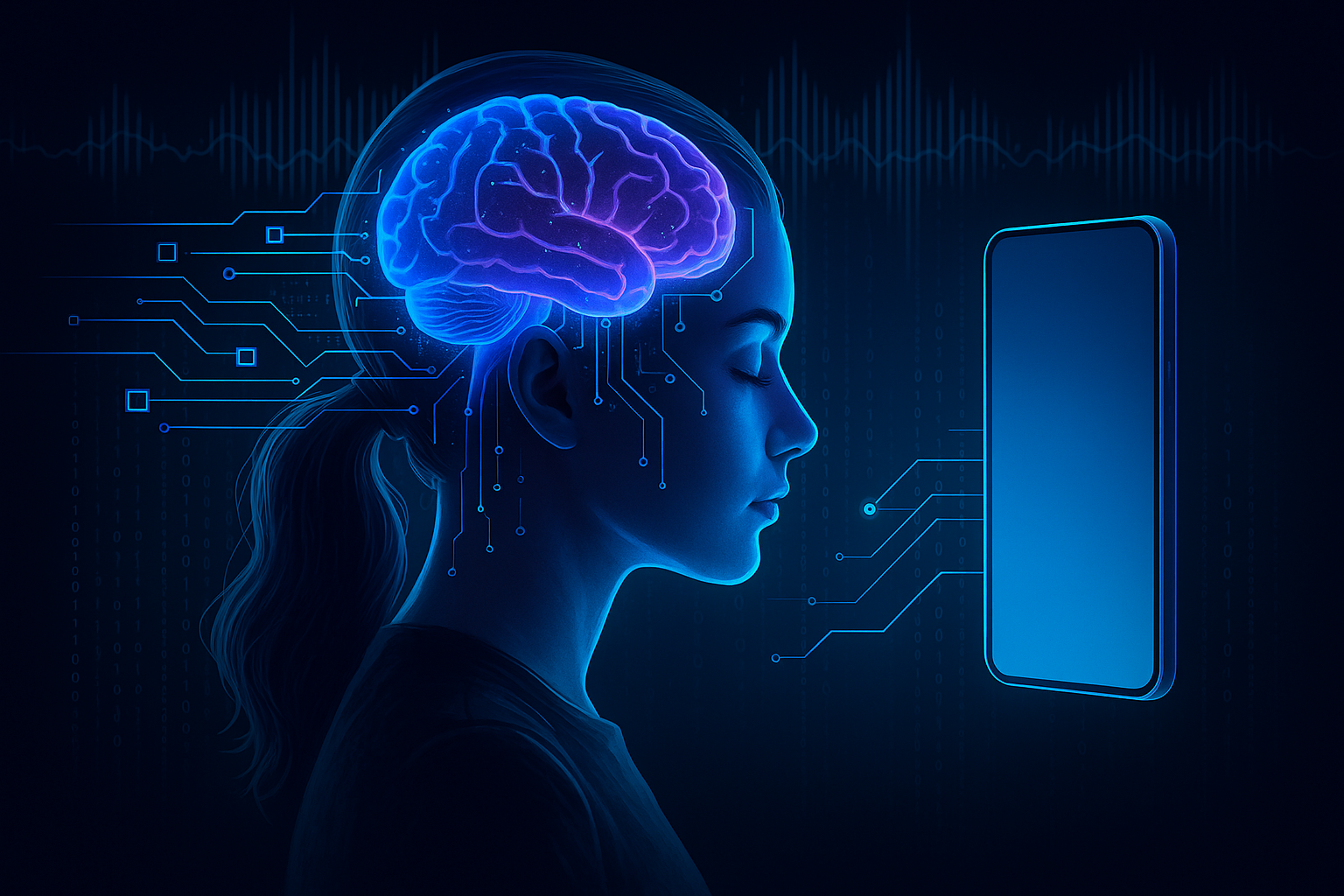

The future of healthcare is not just about treating illness — it’s about predicting and preventing it. At the center of this transformation lies one of the most groundbreaking technologies of the decade: Bio-Digital Twins. By combining biological data, artificial intelligence, and real-time analytics, these digital replicas of human systems are poised to revolutionize how we understand, monitor, and improve health.
What Are Bio-Digital Twins?
A Bio-Digital Twin is a virtual model of a biological system — such as an organ, a cell, or an entire human body — that mirrors its physical counterpart in real time. This twin is powered by continuous streams of data collected from sensors, wearables, and medical devices. Through advanced simulations, doctors can test treatments, monitor responses, and predict health outcomes long before symptoms appear.
How Bio-Digital Twins Work
The concept builds on the same principles used in aerospace and manufacturing digital twins. In healthcare, it integrates genomics, AI-driven modeling, and biometric data to create a living digital replica. Machine learning algorithms continuously learn from patient-specific data — blood pressure, oxygen levels, neural activity — and update the model in real time. This allows physicians to simulate how an individual might respond to a specific drug or surgery.
Applications in Healthcare
The applications of Bio-Digital Twins extend across every field of medicine. Cardiologists can create a digital replica of the heart to test new procedures. Oncologists can simulate cancer growth and treatment response without exposing patients to experimental risks. Even pharmaceutical companies can use these digital replicas to accelerate drug discovery and reduce clinical trial costs.
AI: The Engine Behind the Twin
Artificial intelligence is what makes Bio-Digital Twins truly dynamic. AI algorithms analyze massive datasets from electronic health records, genetic sequencing, and patient wearables. They continuously learn to detect anomalies, predict diseases, and recommend personalized therapies. The integration of deep learning with physiological modeling allows these systems to evolve and adapt over time — just like the human body.
Ethical and Privacy Challenges
With every innovation comes responsibility. The creation of Bio-Digital Twins raises critical ethical questions about data privacy, consent, and control. Who owns your digital self? How can we ensure that health data used for simulation isn’t misused or commercialized? As regulations catch up, the healthcare industry must ensure transparency, accountability, and data protection as foundational principles.
From Personalized Medicine to Preventive Care
Bio-Digital Twins take personalized medicine to the next level. Instead of reacting to illness, healthcare becomes predictive. A person’s digital twin can detect subtle physiological changes that might indicate early signs of disease, prompting preventive intervention. This shift could drastically reduce hospitalizations, healthcare costs, and the global burden of chronic illness.
Beyond Medicine: A Bio-Digital Future
The concept of Bio-Digital Twins extends beyond human health. In sports, athletes can use them to optimize performance and recovery. In urban planning, digital human populations could simulate public health outcomes before major infrastructure projects. Even mental wellness could benefit as AI learns to model emotional states and stress responses, offering new insights into human behavior.
Conclusion
Bio-Digital Twins are redefining the boundaries of healthcare and human understanding. They represent a future where medicine is proactive, precise, and deeply personal. As AI continues to advance and ethical frameworks mature, our digital counterparts may become the most powerful tools in maintaining and enhancing human life. The question is no longer whether Bio-Digital Twins will change healthcare — but how soon we’ll all have one.