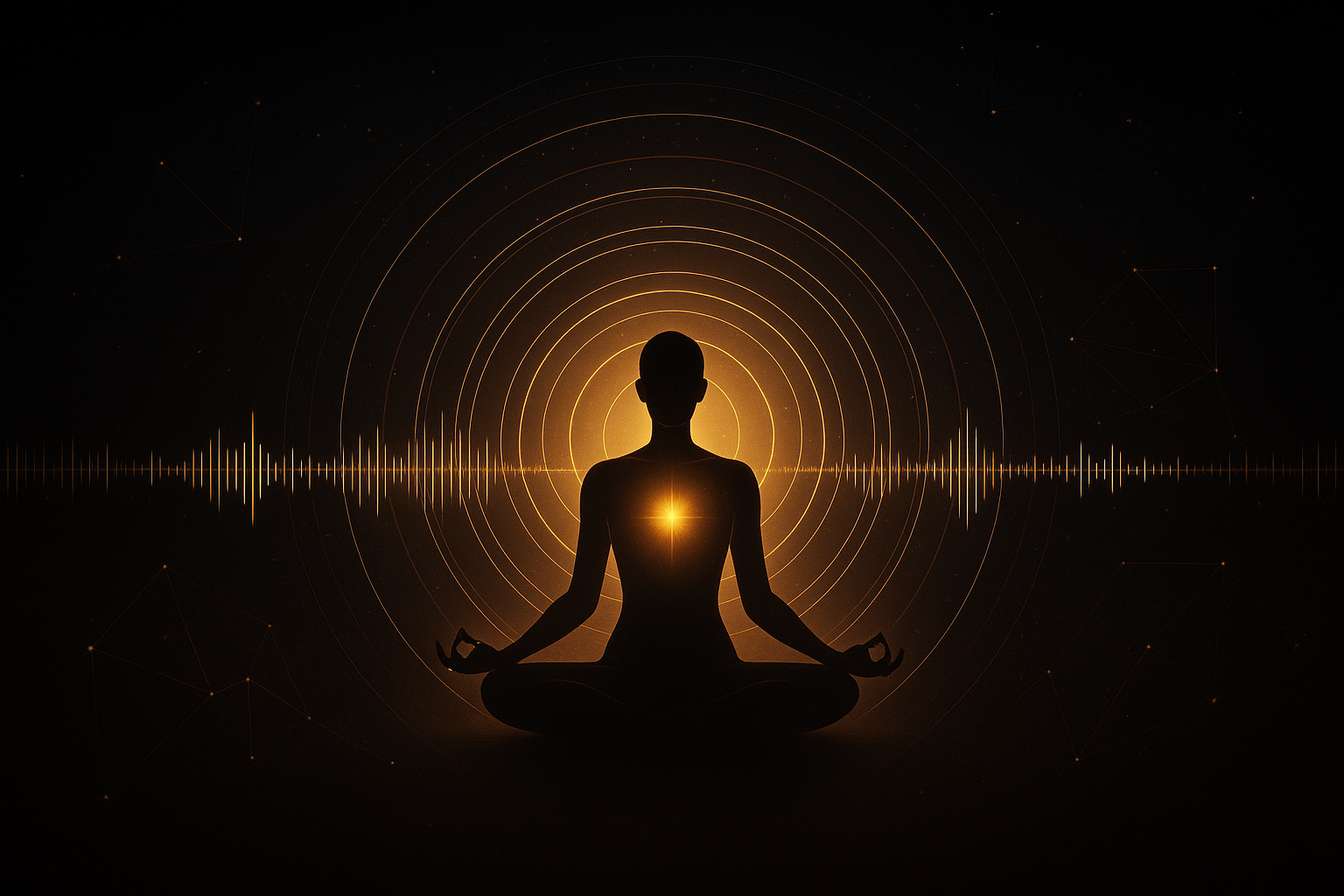
In today’s fast-paced digital world, finding moments of calm has become a luxury. Meditation and mindfulness have emerged as essential tools for mental clarity, emotional balance, and self-awareness. But in recent years, a powerful ally has joined this practice — music. From binaural beats to ambient soundscapes, healing frequencies are transforming how people meditate and experience mindfulness.
The Connection Between Music and Mindfulness
Music and meditation share a deep neurological connection. When you listen to calm, rhythmic sounds, your brain waves synchronize with the tempo, creating a meditative state of relaxation. This process, known as entrainment, helps slow down racing thoughts and brings your focus to the present moment. Soft instrumental melodies, natural sounds, and harmonic tones guide the listener into a state of deep awareness.
The Science of Healing Frequencies
Certain sound frequencies are known to influence brain activity and emotional states. For example, 432 Hz is often called the ‘natural frequency of the universe,’ believed to align with the body’s energy centers. Meanwhile, 528 Hz — also known as the ‘love frequency’ — is said to promote DNA repair and emotional healing. Though scientific evidence varies, many practitioners report feeling calmer and more balanced when meditating with these tones.
Binaural Beats and Brainwave Synchronization
Binaural beats occur when two slightly different sound frequencies are played in each ear. The brain perceives a third frequency — the difference between the two — which can alter mental states. For example, delta and theta beats promote deep relaxation and sleep, while alpha beats enhance focus and creativity. This subtle audio illusion has been widely used in mindfulness apps and guided meditations.
How Music Deepens Meditation
Meditation music acts as a guide for the mind. It creates an auditory environment that minimizes distractions and helps maintain consistency in practice. Slow, repetitive rhythms mirror natural breathing patterns, encouraging relaxation. Many mindfulness practitioners find that music enhances visualization, emotional release, and the overall meditative experience.
The Role of Cultural and Traditional Sounds
Across cultures, sound has been central to spiritual practice. Tibetan singing bowls, Indian sitar ragas, and Gregorian chants all harness sound as a form of healing. These ancient traditions use specific tonal patterns and resonances to induce calm and spiritual awareness. Modern sound therapy draws heavily from these age-old methods, merging tradition with neuroscience.
Music and Emotional Healing
Music doesn’t just affect the mind — it touches the heart. Healing music can evoke emotions that help release pent-up energy, grief, or anxiety. This emotional release is integral to mindfulness, as it promotes acceptance and emotional regulation. The right combination of melody and intention can help individuals achieve deeper self-connection and peace.
Creating a Personal Sound Meditation Routine
Building your own sound-based meditation routine doesn’t require complex tools. Start with a quiet space, headphones, and a playlist of healing frequencies or ambient sounds. Experiment with different tones and genres — from nature-inspired audio to deep drones — until you find what resonates. Pairing consistent sound meditation with breathing techniques amplifies focus and tranquility.
The Future of Mindfulness and Music Technology
Technology is expanding the possibilities of sound-based meditation. AI-driven apps now personalize music based on heart rate and stress levels, while spatial audio creates immersive 3D soundscapes. As sound therapy merges with neuroscience, the boundary between wellness and technology continues to blur — making mindfulness more accessible than ever.
Conclusion
Music has always been more than entertainment — it’s medicine for the mind and soul. By combining mindful listening with healing frequencies, individuals can achieve deeper states of meditation, emotional clarity, and inner peace. As science and spirituality converge, music stands as a timeless bridge between the human spirit and the art of mindfulness.